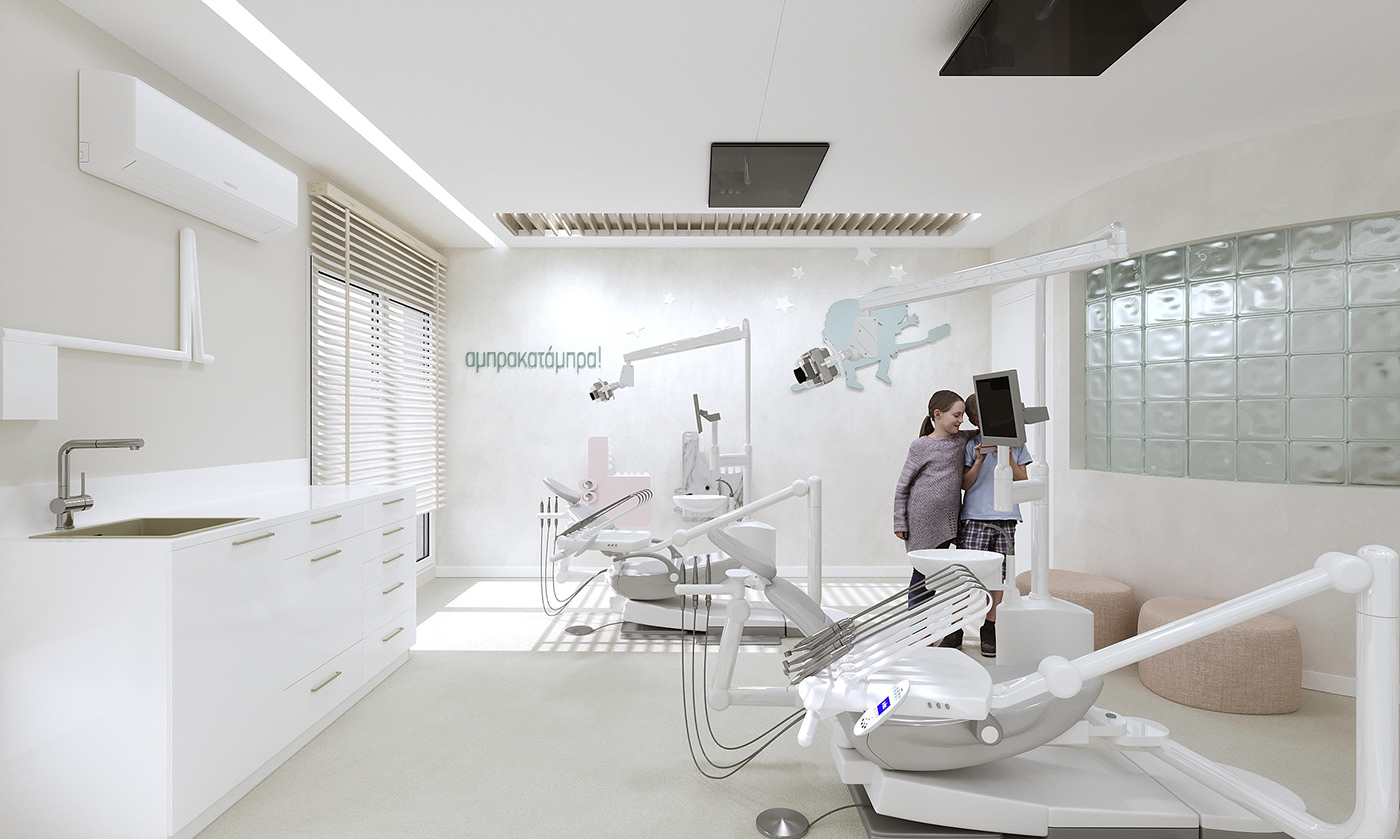
Why Every Dentist Needs a Professional Website: Boost Trust, Patients & Growth
Intro
Imagine a patient in your city waking up with a toothache. What do they do first? They do not ask a neighbour. They do not flip through a phonebook. They pick up their phone and search “dentist near me.” If your practice is not showing up — with a credible, welcoming, easy-to-navigate website — that patient is already booking an appointment with your competitor.
The landscape of patient acquisition has shifted dramatically. Flyers, newspaper ads, and word-of-mouth still play a role, but they now account for a shrinking fraction of new patient growth. The majority of healthcare decisions — including choosing a dentist — begin with an online search. A professional website is no longer optional for modern dental practices; it is the single most important marketing asset a dentist can invest in.
In this guide, we will walk through five critical reasons every dentist needs a strong web presence: building trust, improving patient engagement, local SEO, professional branding, and digital marketing integration.
Stats
83% of patients search online before booking a dentist appointment.
76% of local mobile searches result in an in-person visit within 24 hours.
2.4× more new patients for practices with a professional, optimised website.
01. Building Trust & Credibility Online
Before a patient ever sits in your dental chair, they have already formed an opinion about your practice — based entirely on your online presence. Studies consistently show that over 80% of patients research a healthcare provider online before booking, and dental practices are no exception.
A professionally designed website serves as your digital handshake. It tells visitors: “We are established, qualified, and trustworthy.” Without it, potential patients are left with nothing to evaluate — and humans default to the most credible-looking option available.
Key trust signals to include on your website:
- Dental degree and credentials
- Years of experience
- Before-and-after treatment galleries
- Verified Google reviews
- Professional headshots of your team
Visual proof matters enormously in dentistry. A before-and-after gallery for procedures like teeth whitening, veneers, or dental implants can convert a hesitant visitor into a confirmed booking. Pair this with a warm, well-lit team photo and a short About Us story that reflects your values, and patients feel they already know you before walking in.
Professional design itself signals credibility. A poorly designed or outdated website — broken links, cramped text, no mobile optimisation — sends the opposite message: that your practice does not pay attention to detail. In contrast, a clean, fast, beautifully designed website builds subconscious confidence that you bring the same care to your dental work.
Checklist:
- Display your BDS / MDS degree, certifications, and affiliations prominently
- Add a dedicated Testimonials page with real patient reviews and star ratings
- Include a Before & After gallery
- Feature photos of your sterilised, modern equipment
- Use HTTPS / SSL certificate
02. Improving Patient Engagement
A website is not just a digital brochure — it is an interactive tool that can work for your practice 24 hours a day, 7 days a week. The right features transform passive visitors into active, booked patients.
Useful features:
- Online appointment booking
- Live chat / chatbot
- Patient intake forms
- Educational videos and FAQs
Educational content is especially powerful in dentistry, where anxiety and misinformation are common barriers. A blog post answering “Does a root canal hurt?” or a video showing exactly what a dental implant procedure looks like can be the difference between a patient booking with you versus endlessly procrastinating.
Patients who feel informed before their appointment are significantly more compliant, less anxious, and far more likely to refer others to your practice.
Automated reminders integrated through your website — appointment confirmations, recall messages for annual cleanings, post-procedure check-in emails — dramatically improve retention and reduce the costly problem of forgotten appointments. A well-engaged patient is also a loyal patient who refers friends and family.
03. Search Engine Visibility & Local SEO
Having a beautiful website is only valuable if people can find it. This is where Search Engine Optimisation, and specifically Local SEO, becomes your most powerful tool for consistent new patient growth.
When someone in your city searches “best dentist for braces in [your area]” or “affordable dental implants near me,” Google’s algorithm determines which practices appear at the top. Without a website, you simply cannot rank. With a properly optimised one, you can dominate the local results and receive a steady stream of inbound appointment requests.
Local SEO essentials for dental practices:
- Claim and optimise your Google Business Profile
- Use location-specific keywords
- Create dedicated pages for each service
- Collect genuine Google reviews consistently
Your website is the central hub that connects all your online activity. Your Google Business Profile, social media pages, online directories, and paid ads all point back to your website. Without it, every other marketing effort loses its landing point.
Important points:
- Keep Google Business Profile updated
- Create location pages for multiple clinics
- Make separate service pages for braces, implants, whitening, kids dentistry
- Use schema markup
- Keep the website mobile-friendly and fast
The compounding nature of SEO is its greatest advantage — unlike paid ads that stop the moment you stop paying, a well-optimised website continues generating organic traffic month after month, year after year.
04. Branding & Professional Image
Your website is your most powerful branding tool. It is the one platform you fully own and control — unlike social media, which is subject to algorithm changes and platform policies. Every design choice on your website communicates something about your values, your expertise, and the experience patients can expect.
Consider the difference between two dentists: one has a dated website with clip-art graphics and no photos of the clinic, the other has a modern site with professional photography of their spotless, state-of-the-art clinic, a smiling team in neat uniforms, and a warm colour palette. Even before reading a single word, visitors make a judgement about which practice they would rather trust with their teeth.
Consistent branding across touchpoints:
- Same logo
- Same colour palette
- Same tone of voice
- Same typography
Branding elements to include:
- Professional photography of your clinic and team
- A clear brand colour
- A warm, human About page
- Modern equipment like CBCT scanners, laser dentistry, digital X-rays
- A clear and reassuring tone
Branding is not just about aesthetics — it is about the promise you make to patients. A website that reflects your professionalism, warmth, and commitment to pain-free dentistry sets expectations correctly and attracts patients who are the right fit for your practice culture.
05. Digital Marketing Integration
A professional website does not operate in isolation — it is the engine at the centre of your entire digital marketing ecosystem. Every campaign you run, every post you publish, every ad you place ultimately points back to your website.
Integration points:
- Social media
- Email marketing
- Google / Meta ads
- Analytics and tracking
A dental blog is one of the highest-return investments in content marketing. Articles like “5 Signs You Need a Root Canal,” “Invisalign vs. Metal Braces: Which Is Right for You?” or “How to Care for Dental Implants” attract patients who are actively researching dental solutions — often right at the moment they are ready to book.
Tracking user behaviour through Google Analytics and heatmap tools tells you exactly which pages patients visit most, where they drop off, and which calls-to-action convert. This data allows you to continuously improve your website — making it progressively more effective at turning visitors into booked patients over time.
Conclusion
Dental practices that invest in a professional, mobile-friendly, SEO-optimised website consistently outgrow those that do not. Every day without a strong online presence is a day you are sending potential patients — people actively searching for a dentist — directly to your competitors.
A great website does not just look good. It builds trust before the first appointment, books patients while you sleep, ranks on Google for procedures you specialise in, and gives your practice a brand worth remembering.
You have invested years in your clinical skills. Now invest in the one tool that makes sure the right patients find you.
CTA: Upgrade your practice online today.